

EMQ articles
Evangelical Missions Quarterly, from 1964 to the current issue. Page 5 of 160 · 3,822 in all.
 Members only
Contextualization Can Be Messy
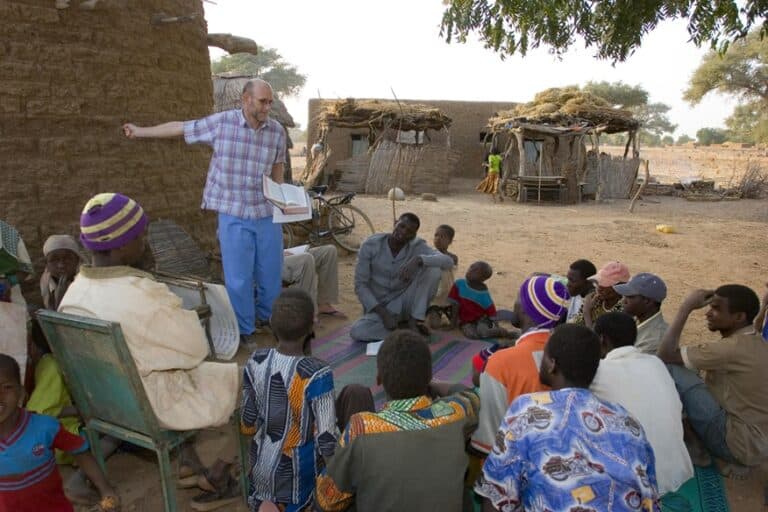
By John Devalve | My wife and I lived in a remote predominantly Muslim region of West Africa with few believers for more than a decade. Not long after we arrived, I faced a new challenge: contextualizing a rite of passage ceremony for a new community of Christ followers.
 Members only
Grafted Together to Fulfill God’s Mission
By Christi Trimbur | Kinship unity develops when diverse members graft together to form one entity. When those groups choose to humbly reach out to each other in acceptance, true partnership or koinonia naturally follows.
 Members only
Beyond Barriers: Embracing Disability in the Church
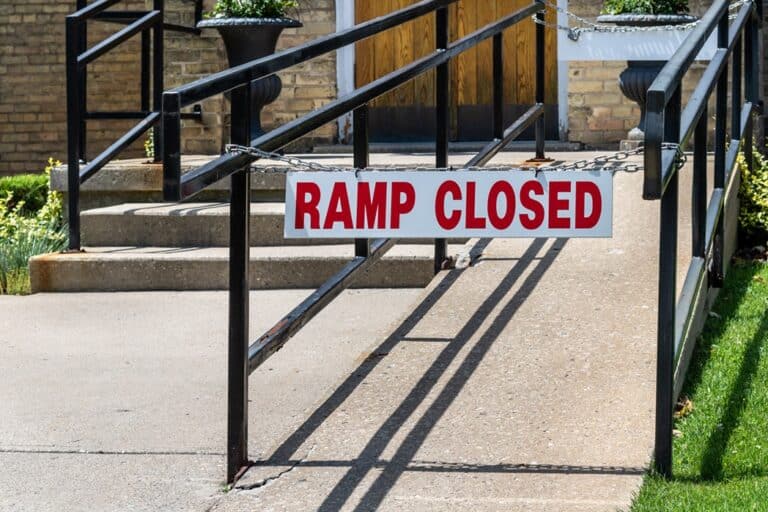
By Erna Möller and Muna Abu Ghazaleh | Evangelism, discipleship, and church planting among persons with disabilities worldwide is hampered by challenges. Our research and experiences in South Africa and the MENA region offer insights and solutions to overcome these barriers and reach this community searching for a…
 Members only
Repurposed Wheelchairs Renew Lives
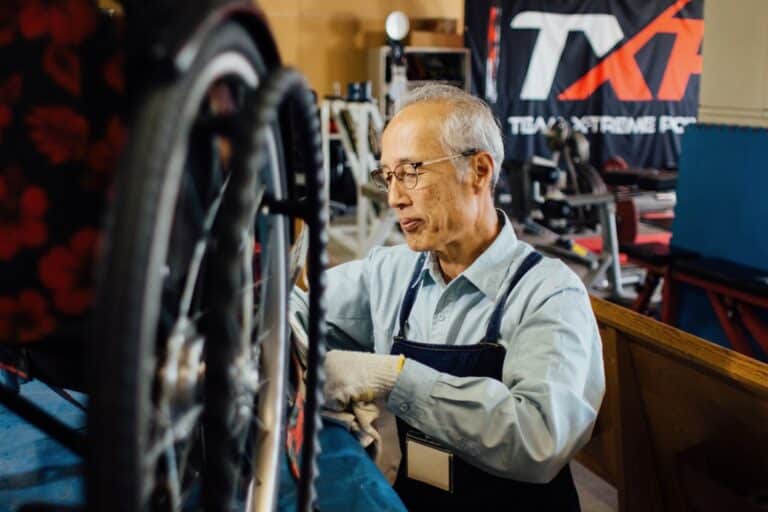
By Mitch Tani and Mary Esther Penner | A vision for recycling wheelchairs gave birth to a ministry in Japan that provides wheelchairs to people in several countries who desperately need them. The ministry has brought God’s transforming hope not only to wheelchair recipients, but also to volunteers working to…
 Members only
From Cursed to Co-Laborers: Reframing Disability in African Churches
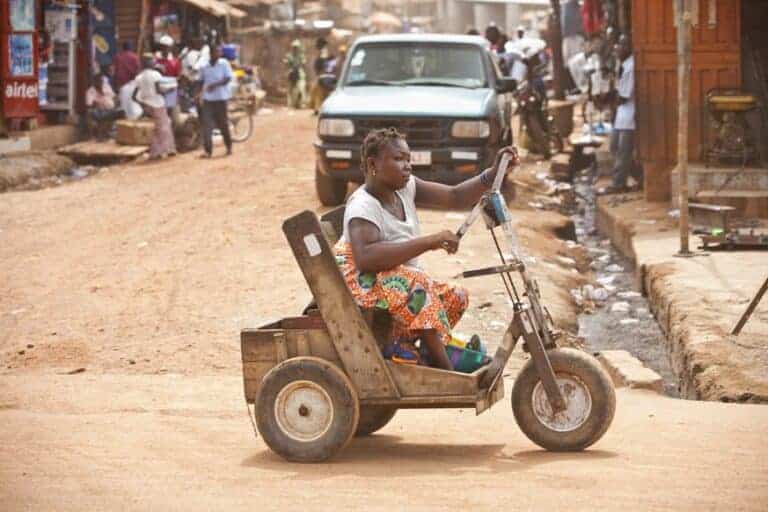
By Jackie Nyamutumbu Kimani | The theology of the prosperity gospel in African churches often mirrors animistic beliefs especially as it relates to people with disabilities. It undermines God’s sovereignty and excludes disabled individuals from ministry.
 Members only
The Kingdom’s Embrace of People with Disabilities
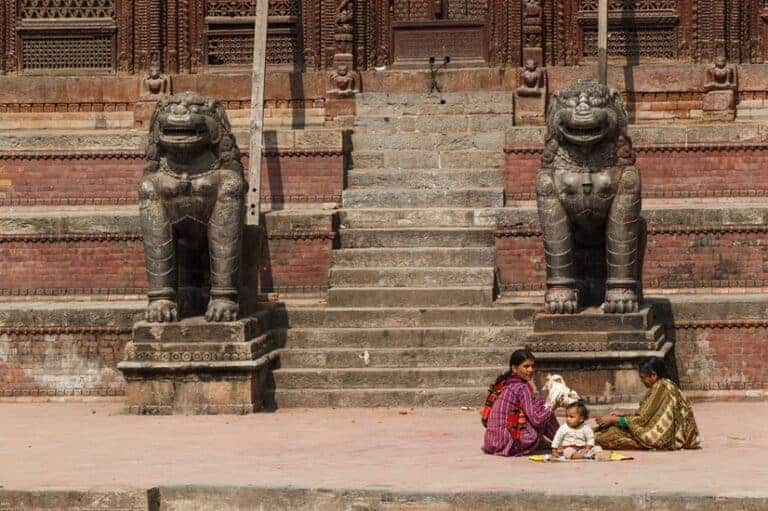
By “Amos” Ming Raj Gurung | Every person, with or without a disability, matters in the kingdom of God. God has a special focus on those who are weak and disabled. This was demonstrated in Jesus’s ministry as he served people with disabilities and brought them honor when society had rejected them.
 Members only
Training the Deaf to Take the Gospel to the Deaf
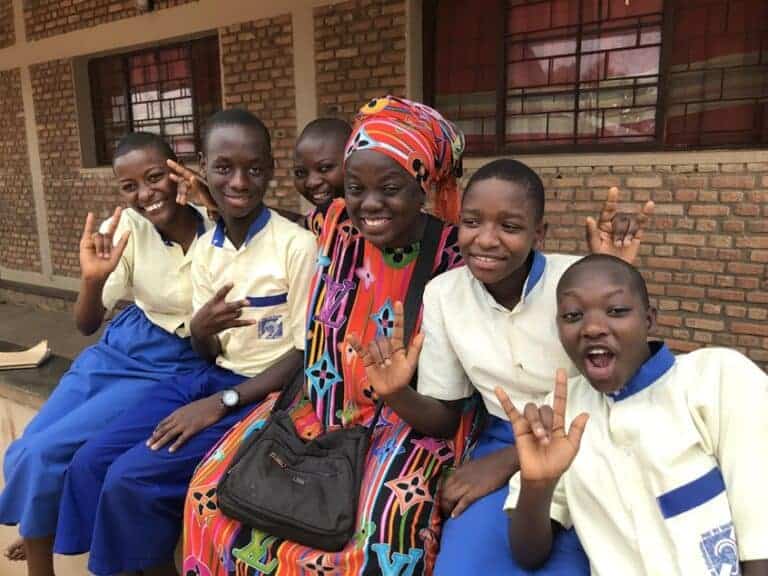
By Matthijs Terpstra and Andrew Miller | Deaf people in developing nations around the world face formidable challenges. Deaf Ministries International (DMI) has found that education, training, and the love of Christ can help Deaf people overcome barriers, live productive and meaningful lives, and give back to their…
 Members only
Image Bearers of God’s Love Unite!
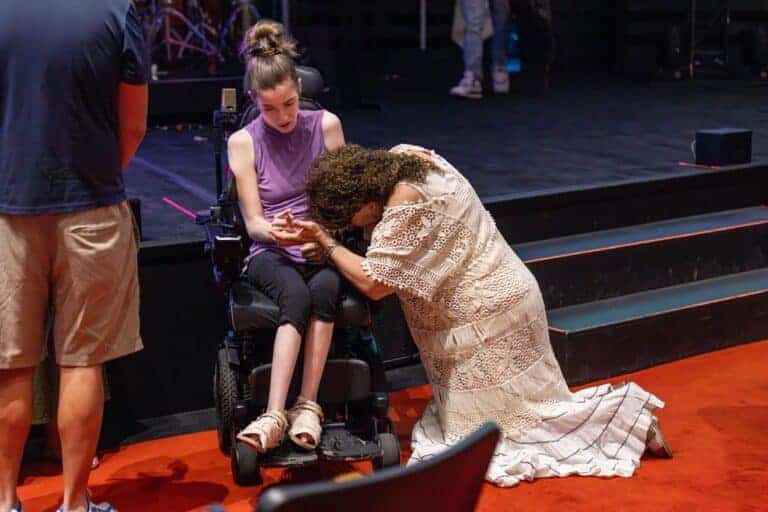
By Jenna Sanderson with Chantelle Sanderson | People with disabilities comprise the largest unreached people group in the world, today. We are also often missed as participants in God’s global mission. As a 22-year-old with Cerebral Palsy, I want people to see me for who I truly am: a daughter of God, who is loved…
 Members only
Disability in the Church’s First Mission
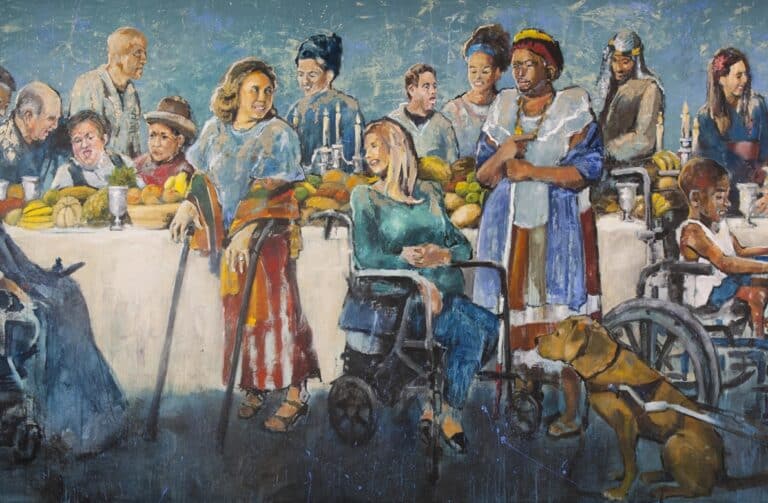
By Dave Deuel | After the birth of the church, the first mission begins in Jerusalem with the healing of a man with a disability at the temple gates. This should not be surprising because people with disabilities appear throughout the Scripture narrative and especially in Jesus’s earthly ministry.
 Members only
Gospel Workers as Vulnerable Vessels
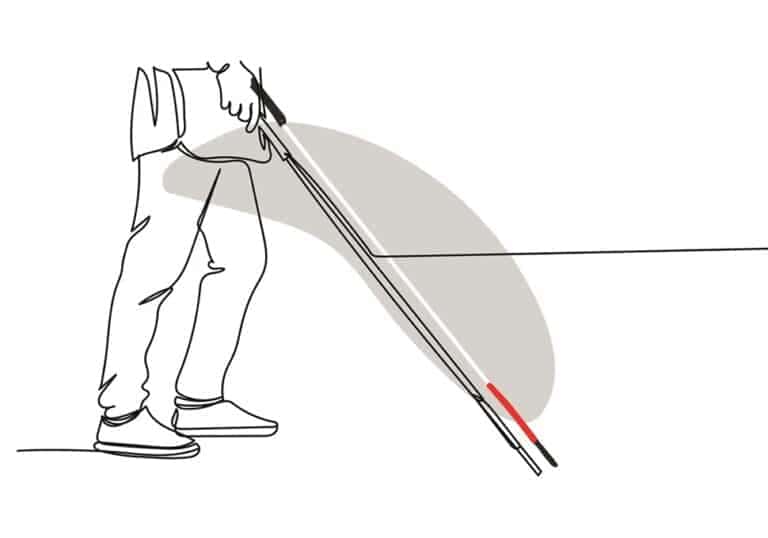
By Andrew K. Opie | What happens when disability comes into the picture? It often results in some being left out of gospel work due to not measuring up as sufficient.
 Members only
The Inclusive Missio Dei
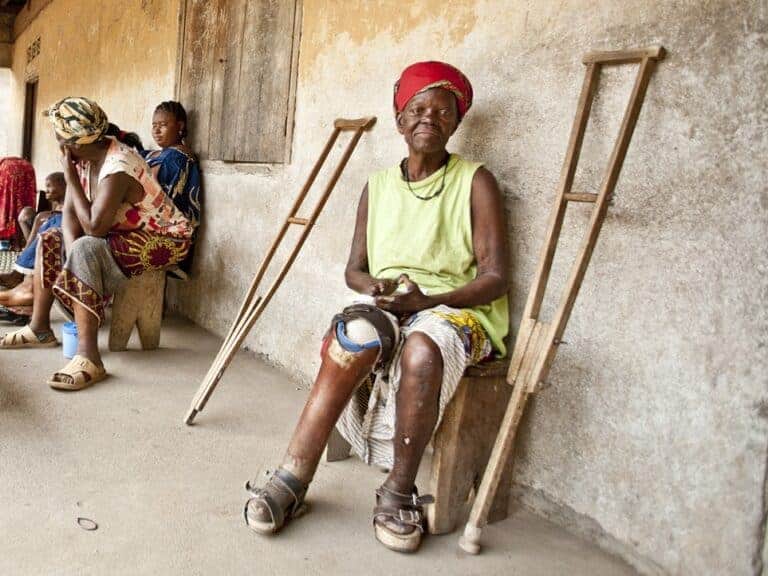
By Kim Kargbo | At least 16% of the world’s population has a disability, and only 5–10% of them have heard the gospel. This makes people with disabilities the world’s largest unreached people group.
 Members only
The Overlooked Mission Field: Reaching People with Disabilities
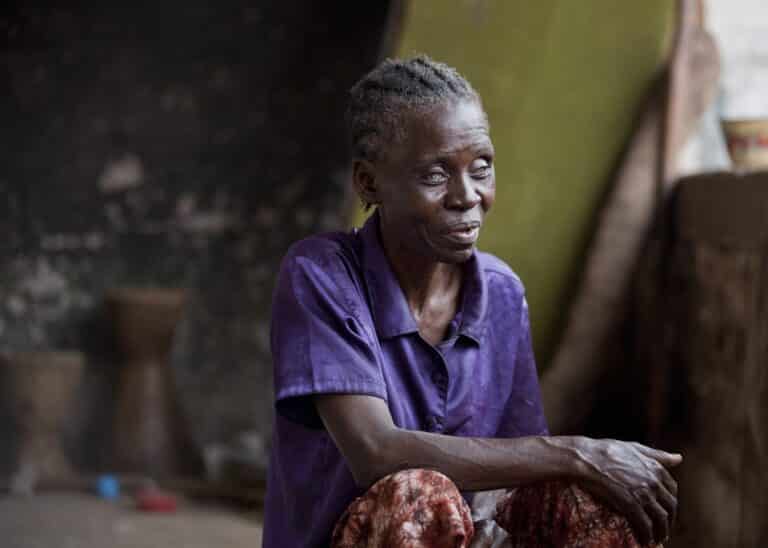
By Hilda Bih Muluh | People with disabilities experience a range of barriers to inclusion in the church. And those who are invited in are often still blocked from sharing their gifts with others and participating in Jesus’s mandate to share the gospel with all peoples and nations.
 Members only
The Forgotten Billion
By Heather Pubols | More than a billion people worldwide have disabilities, and most have never heard the gospel. However, mission agencies often overlook this community in their mobilization and ministry strategies.
 Members only
Enjoying the Journey Together
By Steve Richardson | The global missions movement has developed from the “West to the rest,” to wondering if any foreign missionaries were needed, to an “all hands on deck” approach. What we know, today, is that God’s global Commission requires a truly global mission force. We have different contributions to make…
 Members only
Healing and Diversity: A Renewed Vision of Cross-Cultural Mission
By Jessica Janvier | Despite our shortcomings, the missio Dei requires a quest for the gospel. That quest is not only to reach all nations but for Christians to become cross-cultural members of God’s kingdom and to faithfully reveal his heart to the watching world through cross-cultural mission outreach.
 Members only
United in Christ to Spread the Gospel
By Ximena Cardona Bastidas | God created a world full of variations, and we move within this diversity. God designed these differences to foster complementarity, interdependence, and innovation. But all of us, through the union in Christ, work together to fulfill the same objective: that no one is left without…
 Members only
Revamping the C-Spectrum for Contextualization
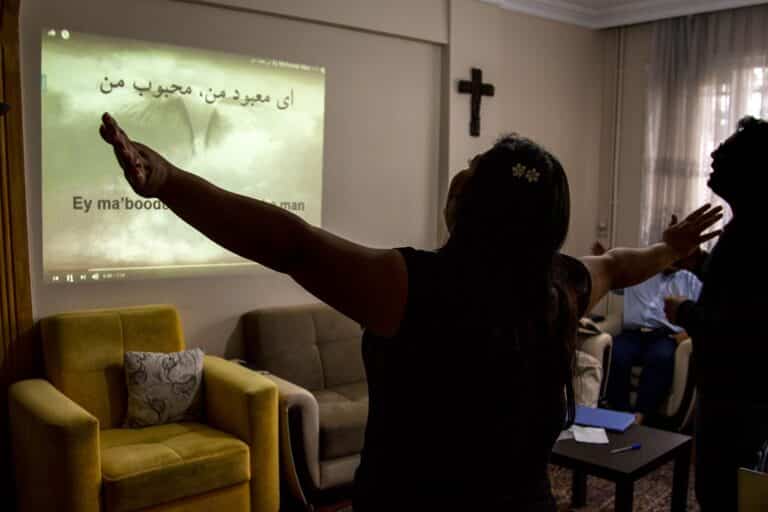
By Harley Talman | The C-Spectrum introduced more than 20 years ago provided a tool to categorize different types of Christ-centered communities among Muslims. The Foreignness-Spectrum, or F-Spectrum, focuses on foreignness as the point of reference in appropriate contextualization. It gives needed correction to the…
 Members only
Urban Collaborative Ecosystems for Missions
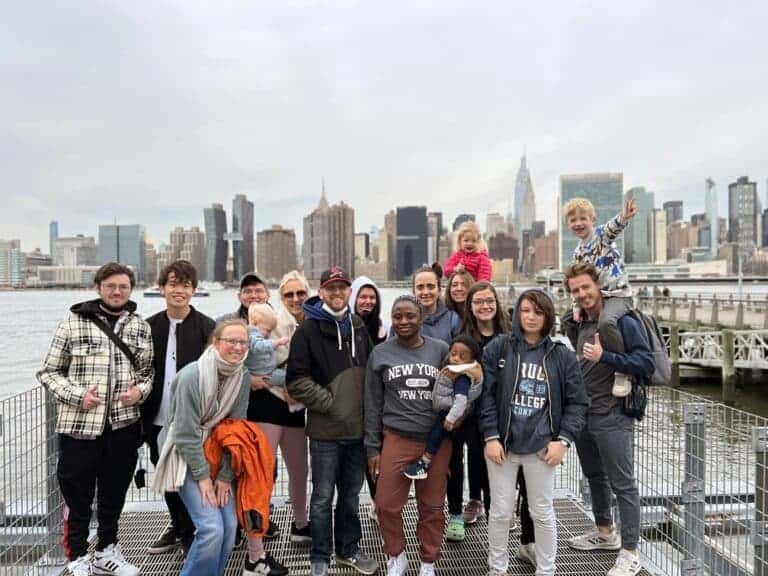
By Don Allsman | God is sending hundreds of unreached people groups (UPGs) from their homelands to other parts of the globe. These UPG communities are no longer only accessible to long-term missionaries. Urban collaborative ecosystems provide a low-cost method to mobilize large-scale service from non-apostolically…
 Members only
Facilitating Dialogue between the Global North and Global South
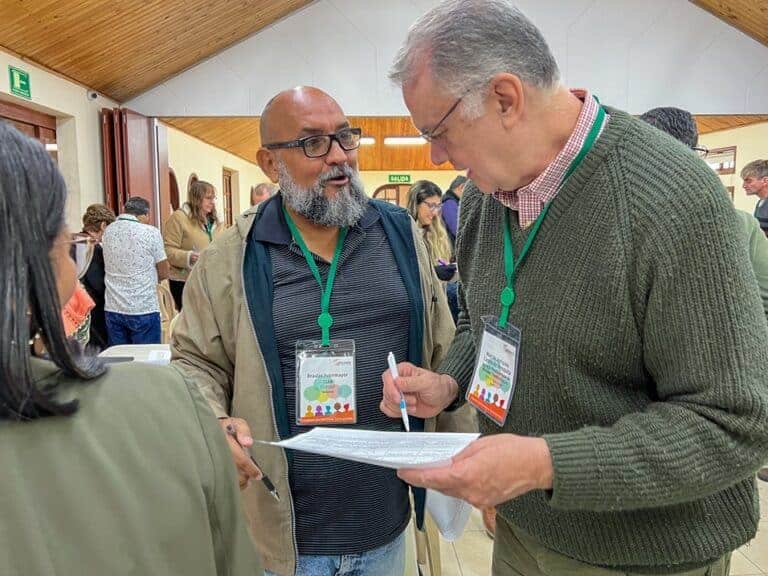
By Sheryl Takagi Silzer | Global mission teams are becoming more and more multicultural. This presents challenges particularly to the work and relationships between people from the Global North and Global South. Facilitated discussions about cultural frameworks can help global workers gain a better understanding of…
 Members only
Reimagining North American Global Missions Engagement
By Valerie Althouse | I am a White American woman who grew up in a white majority church that emphasized global missions. Eighteen years ago, I moved to New York City to serve as both a missionary and a mobilizer for world missions. I desire for Jesus to be known and worshiped among all peoples. So why did I often…
 Members only
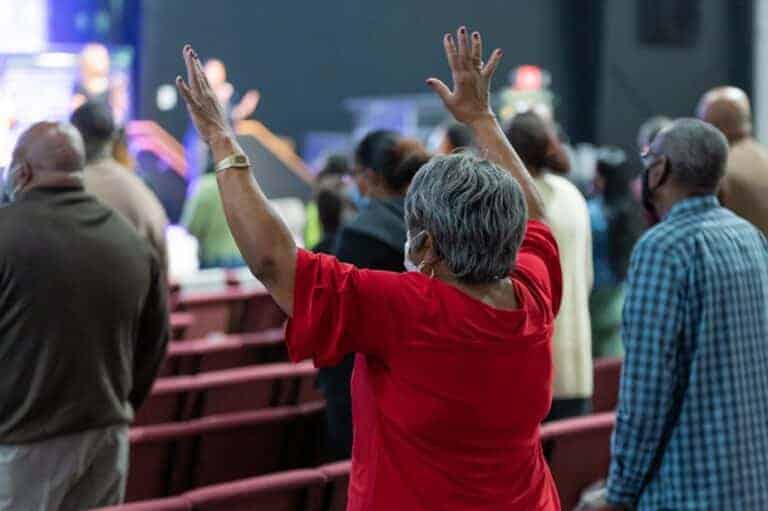
Equipping the Black Church for Global Mission
By Phyllis Johnson | The Black church has been underrepresented in global mission for more than 100 years. An appropriate educational model for missiological theology contextualized for the African American church is one way to help African Americans become more engaged in global missions once again.
 Members only
Welcoming the Panta ta Ethne into Our Organizations
By Rocky Tyler | As mission organizations, how do we move “from me to we to the world?” The knowledge, skills, and attitudes of conflict competence are the foundation of an authentically inclusive culture in which diversity is welcomed and “all peoples” (panta ta ethne) experience both full belonging and high value…
 Members only
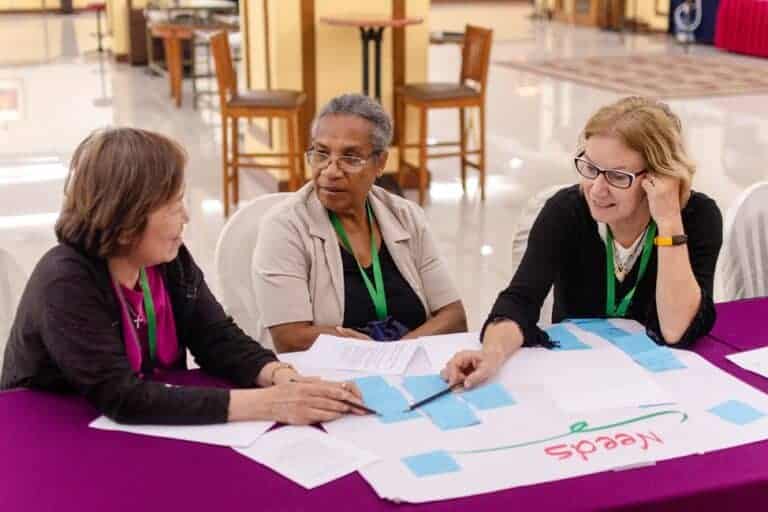
Forsaking Resource Righteousness for the Global Theological Table Fellowship
By Jessica Udall | When an extended family gathers together from far and wide to share a feast, who sits at the head of the table? Traditionally, it is the father. However, what happens in this metaphorical scenario when instead of the Heavenly Father sitting at the head, that place is usurped by a culturally…
 Members only
Coming Together in Unity
By Carlos Negrón | Many North Americans are terrified to talk about diversity and mutuality. But we must be willing to talk about this, sit in our discomfort, and put hindering beliefs to death in order to become more of the one body of Christ that we are.