

EMQ articles
Evangelical Missions Quarterly, from 1964 to the current issue. Page 3 of 160 · 3,822 in all.
 Members only
Finding Joy in Hardship
By Ed Grudier | Rejoice always, even in the midst of hardship. We can learn from Paul through the letter he wrote to the church in Philippi during his time of suffering. Paul instructs us to find joy in ministry – in the partners he provides for us, the proclamation of the gospel, the unity we possess with believers…
 Members only
From Our Knees to the Nations
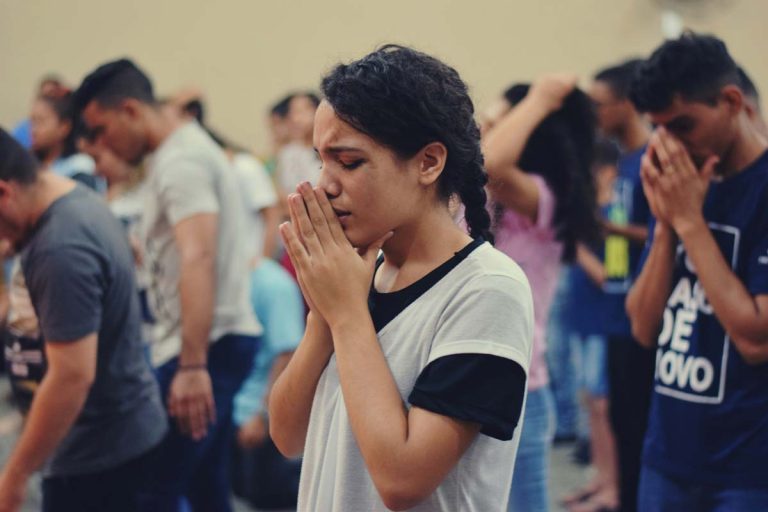
By Chris McMillan | Prayer is central to the life and mission of the church. As Christians increasingly pray, they become convicted about sin in their midst, and the need for conversion of sinners at home and beyond. This creates a sense of urgency that propels people into missions. If prayer is central to church…
 Members only
Mission as Accompaniment: A Path to a Post-Colonial, Alternative Missionary Practice
By Frank Paul | Frank Paul discusses the transformation of Mennonite missionary practices from imposition to a more respectful, non-paternalistic approach. It highlights the importance of listening, empowering indigenous people, and fostering mutual respect. The shift towards intercultural dialogue and fraternal…
 Members only
Called Again: Veteran Missionaries and the Unfinished Task
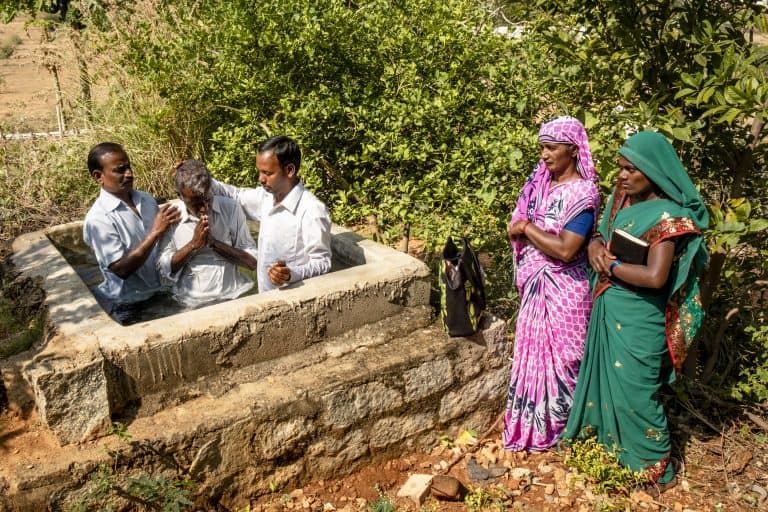
By David Smith | Claude Hickman of The Traveling Team is quoted as saying, “Reaching the world with the gospel is not a resource problem, it is a mobilization problem.” In this article, I challenge my colleagues to consider leaving their established work in countries with gospel presence and moving to the…
 Members only
Who Can Start a Movement? Three Possible Says of Being Involved in Starting Movements
By Emanuel Prinz | Movement catalysts possess distinct qualities in three areas: personality, spiritual, and social influence. They exhibit radical learning, innovation, drive to achieve, conscientiousness, assertiveness, and persistence. Spiritually, they have a hunger for God, deep prayer, listening to God…
 Members only
To the Ends of the Earth: How to Translate the Gospel Into Maps
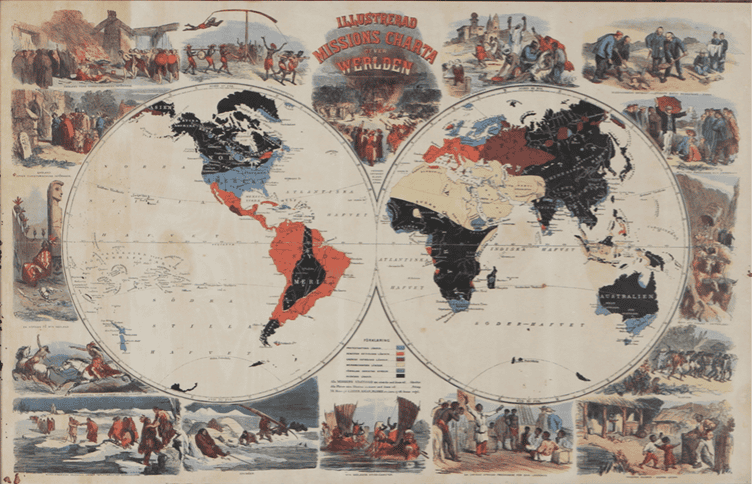
By David Onnekink | Take any website of a missionary society and there is bound to be a map. Maps are visually attractive and picture comprehensively the geographical focus of mission. However, as Brad Gil wrote, essentially “All maps are wrong”.
 Members only
Evangelism as Brokerage: A Biblical Study of 1 Corinthians 10:23–11:1 in a Chadian Context
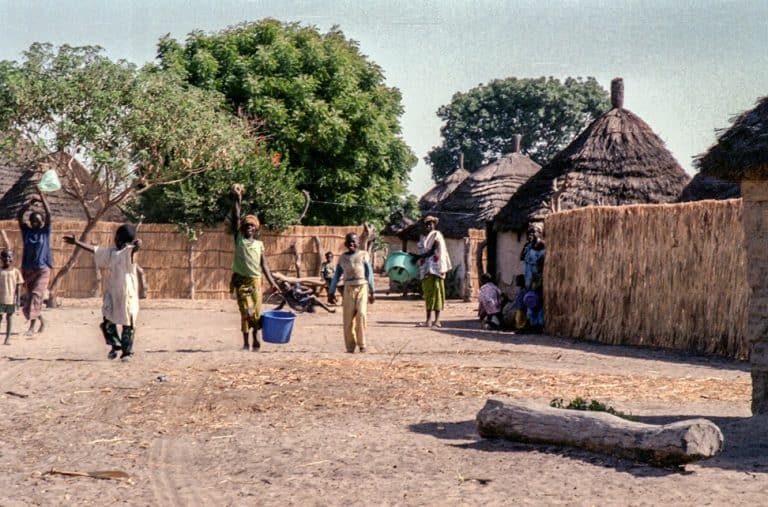
By David Kimiti | This article explores how missionaries working in patronage societies, might be informed by 1 Corinthians 10:23–11:1 in taking on the role of a broker as a way of viewing their evangelism. The missionary broker avoids the potential compromises in the roles of patron and client and takes a temporary…
 Members only
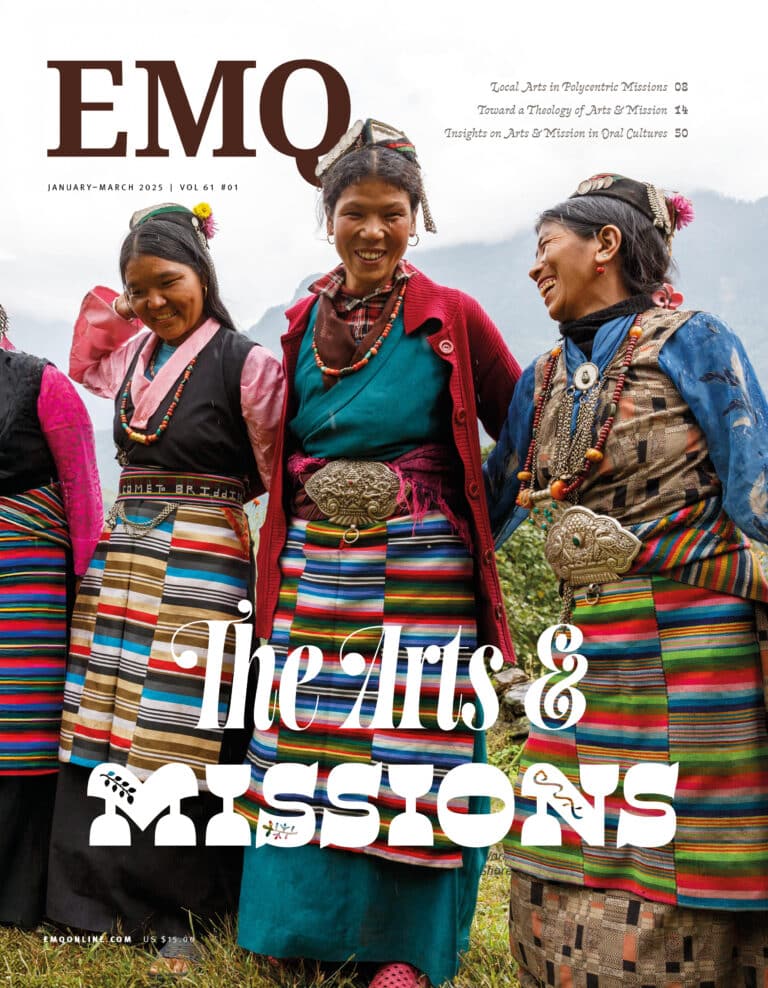
The Function of Emotions and the Arts and Missions
By David R. Dunaetz | “Letters to the Editor” is a forum for readers to share further thoughts about previously published articles, agreeing, disagreeing, extending or taking the conversation in new directions. “Letters” can also raise new issues.
 Members only
A Missiological Reflection on the Fall of Saigon
By Truong Tran | This article explores the unintended consequences of missionary-led evacuations of Vietnamese pastors on April 30, 1975. It argues that these actions weakened local churches and highlights the missiological imperative to build churches with lasting hope in Christ and indigenous leadership.
 Members only
What Missionaries Want You to Know
By Amy Young, Stacey Covell, and Christine Rollings | This article reports on the results of a survey of fieldworkers. The research revealed a gap of communication between goers and senders. This can be exacerbated when missionaries feel that they have to be superhuman. Many challenges that missionaries face are…
 Members only
The Centrifugal Gospel: Recovering the Outward Movement of God’s Mission
By Chris McMillan | The gospel is dynamic and outward-moving. This centrifugal nature of the gospel contrasts with the centripetal approach prevalent in the West. Chris McMillan urges a return to the biblical mandate of “Go and Tell.” He calls for a revival of missionary vigor to counter institutionalization of the…
 Members only
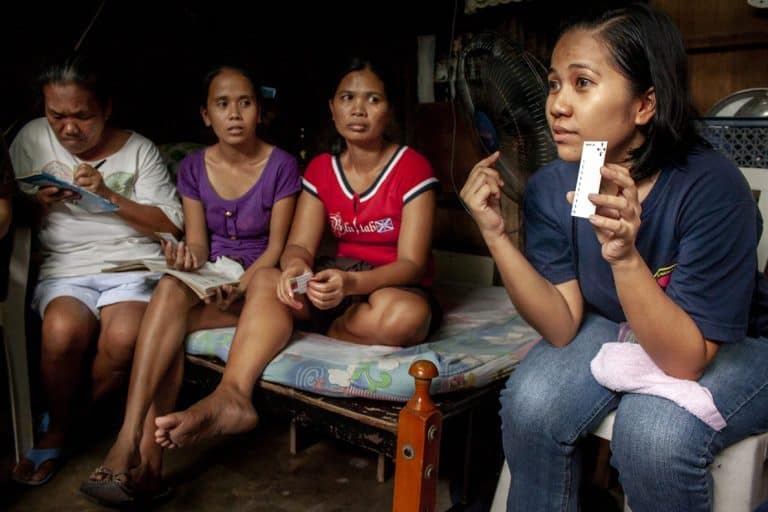
Evangelism
By Evelyn Hibbert | The gospel is more than words. It encompasses all the riches of Christ in us, the hope of glory (Colossians 1:27). Too often evangelism has neglected the importance of relationships, context, and Christ’s lordship. Communicating the gospel includes how we live, according to where we live. From a…
 Members only
Character Theology
By Tom Steffen | Tom Steffen discusses how to shift from traditional systematic theology to a story-based approach. He highlights the importance of biblical characters in teaching theology, emphasizing that characters drive the narrative and help convey theological truths through their experiences. This approach…
 Members only
Curiosity and Communication
By Stan Nussbaum with Hussan | This article describes a Central Asian house church network‘s approach to evangelism, focusing on creating curiosity through surprising statements about Muslim practices, Christianity, and acts of kindness. This technique leads to friendly, challenging religious discussions, helping…
 Members only
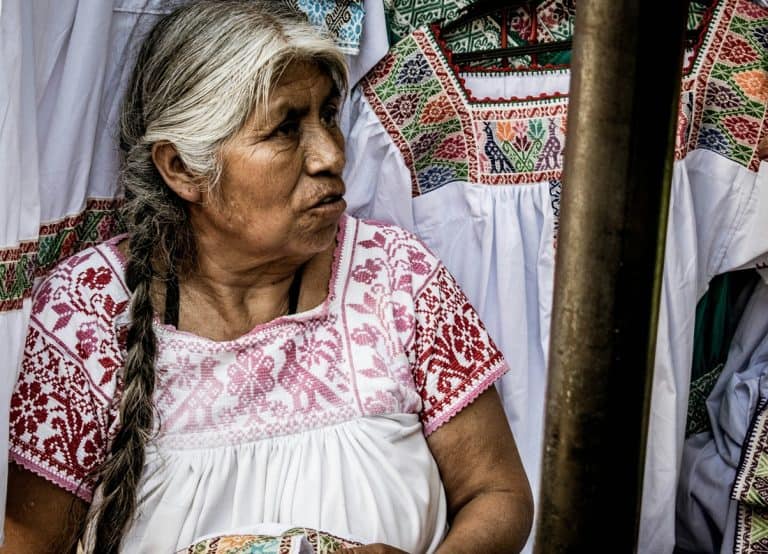
“Ask of Me”: Ways to Appeal to Felt Needs That Lead to Spiritual Depth
By Sally Folger Dye, T. Wayne Dye, and Edie Bakker | People in every country have many legitimate life concerns. God wants to help with these felt needs. Handled carefully, felt needs can be a door opener, an evangelism tool, and even an ongoing discipleship tool. Prayerfully looking for felt needs is an important…
 Members only
Modality-Sodality: Let’s Call the Whole Thing Church
By Sara Salloum |In 2009, Ralph Winter introduced the terms modality to describe the local church fellowship and sodality to describe what we now call parachurch ministries. Winter explained why both are valid and necessary but offered no model nor description of how they should work together to fulfill God’s global…
 Members only
The Cost and Value of Being Present
By Cherry Gunther | It can cost a lot of money to be a missionary or to support missions. Other costs include loss of time with family and the stress of adjusting to unfamiliar places. These are the costs of being present with people so they can meet Jesus. Learning to appreciate Jesus’ presence that others bring to…
 Members only
Staying Isn’t Always Good and Leaving Isn’t Always Bad
By Sue Eenigenburg | Many who commit to become missionaries imagine permanently settling in another country for many years. However, a characteristic of cross-cultural mission work is its unpredictability. Sometimes, the stresses of missionary life make it hard to stay. Yet, at other times, some stay for the wrong…
 Members only
Five Practical Ways Churches can Care for Missionaries
By Patrick Hasty | This article provides pastors and missions teams with practical steps to support their missionaries. It outlines five things that churches can do: start the care process early, be proactive in relating to missionaries, allow missionaries to share their burdens, establish care teams, and be ready…
 Members only
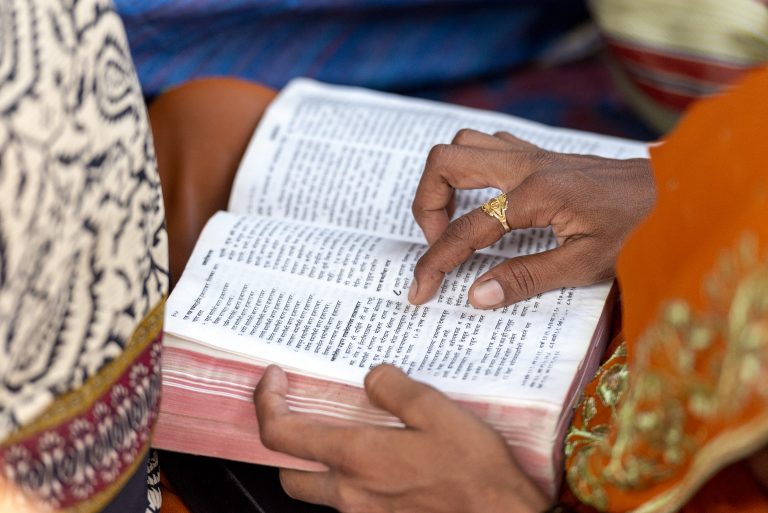
Are Discovery Bible Studies the Best Way to Do Discipleship in Muslim Contexts?
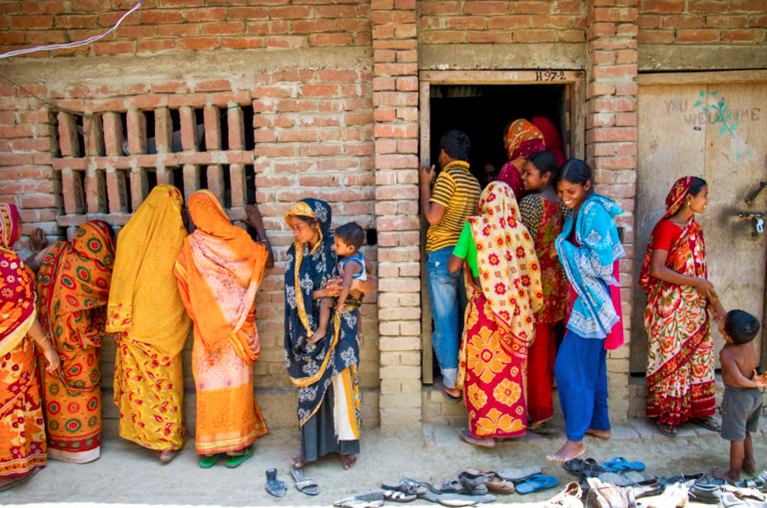
By S.J.Spyker | Many strongly recommend a particular method of inductive Bible study – Discovery Bible Studies (DBS) – for work among Muslims. Based on many years of personal experience and interviews with others working with Muslim women in the Middle East, Spyker queries whether this is the best approach for…
 Members only
Reflecting on Organizational Change: Frontiers as a Case Study
By Steve and Kitty Holloway | Frontiers started as a new organization focusing on reaching Muslim peoples through team ministry more than 40 years ago. The Holloways outline changes Frontiers has made over the years as they have responded to interpersonal and ministry challenges, and the strain of growing larger as…
 Members only
The Harvest Problem
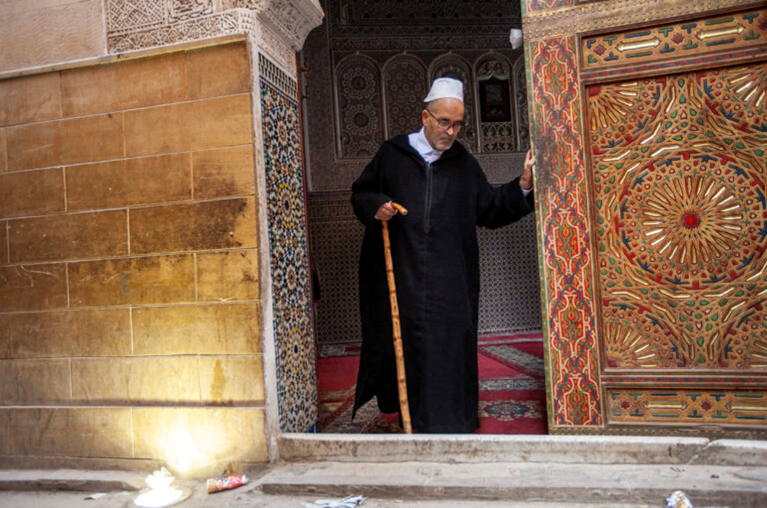
By Richard G. Lewis | As the Great Commission requires us to reach all peoples of the earth with the gospel, we need to address intentionally the shortfall of workers focused on the unreached. Richard Lewis provides conceptual tools to help analyze the shortfall. He classifies missionaries, then analyzes their…
 Members only
Social Action in Muslim Contexts: Why Should We Care?
By Jean-Pierre Maure | Just as Jesus did not separate social action from his ministry, Christians working among Muslims should live out their faith through social action. By addressing specific needs in the local context, Christians’ actions compel Muslims to Christ through the credibility of faith in action. Our…
 Members only
Moving Beyond “Pray, Give, or Go”
By Steven P. Steinhaus | Even if you cannot go overseas as a traditional missionary, you can still do more than pray and give. Steinhaus outlines four stages of being involved in the Great Commission. These are to (1) be a disciple who makes disciples.